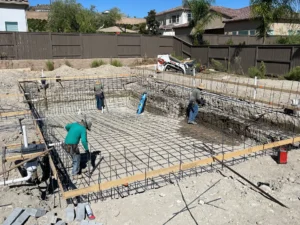


Safety plays a vital role in pool construction for both residential and commercial projects. For commercial facilities, adhering to commercial pool construction safety guidelines is essential to protect users, minimize liability, and guarantee a durable, high-quality pool. Pinnacle Pools and Landscape specializes in designing and building custom pools that meet stringent safety standards while also enhancing their visual appeal. By understanding the distinctions between residential and commercial safety requirements, property owners can make informed decisions that ensure compliance and reduce risks. Implementing proper safety measures, from ensuring structural integrity to managing water quality, helps create a secure environment for all users and ensures that the pool remains a reliable and enjoyable feature for years to come.
Understanding Pool Construction Safety Standards
Pool construction safety standards are designed to reduce risks, prevent accidents, and ensure the structural integrity of every project. These standards address all aspects of pool construction, including design, materials, electrical systems, and water treatment. Compliance is enforced through local building codes and regulatory agencies, with guidance from organizations such as the Occupational Safety and Health Administration (OSHA) and the National Spa and Pool Institute (NSPI).
Following commercial pool construction safety guidelines helps builders minimize liability and protect swimmers from potential hazards such as slips, electrical issues, drowning, and structural failures. Whether developing a small residential pool or a large commercial facility, adhering to proper safety standards is essential. Consistent compliance ensures that pools remain safe, functional, and enjoyable for all users while maintaining regulatory and professional integrity.
Residential vs. Commercial Pool Safety Requirements
Residential Pools
Residential pools are primarily built for private use, with safety measures in place to prevent accidents within a home environment. Key features often include:
- Fencing with self-latching gates
- Anti-slip surfaces around the pool
- Pool covers for added protection
- Clear depth markings
- Alarms and water quality monitoring to maintain chemical balance
While these guidelines are essential, they are generally less strict than commercial standards because the number of users is limited and risks are lower. Homeowners can focus on both safety and aesthetics while providing a secure swimming area for family members and guests.
Commercial Pools
Commercial pools, found in hotels, gyms, and community centers, require stricter safety measures due to the higher volume of users and liability concerns. Following commercial pool construction safety guidelines is crucial for protecting the public and complying with local and national regulations. Key safety elements include:
- Proper pool barriers and fencing
- Lifeguard stations and emergency equipment
- Adequate lighting and clear signage
- Accessibility features for all users
- Rigorous water quality management to prevent contamination
These measures ensure a safe and compliant environment for all swimmers.
Key Components of Pool Safety Compliance
Structural Safety
The structural integrity of a pool is the foundation of safety compliance. Using high-quality materials and proper construction techniques ensures the pool can withstand daily use and environmental stress. Structural safety measures include reinforced walls, secure decking, proper depth transitions, and clear signage for shallow and deep ends. Fencing and barriers prevent unauthorized access and reduce the risk of accidents, particularly with children.
Electrical and Mechanical Systems
Pools rely on complex electrical and mechanical systems, including pumps, heaters, and lighting. Proper installation and inspections are crucial to prevent electrical hazards. Ground-fault circuit interrupters (GFCIs) and correctly bonded metal components are essential components of commercial pool construction safety guidelines. Ensuring that all mechanical systems are installed in accordance with regulations reduces the risk of malfunctions and ensures optimal performance. It guarantees the consistent operation of filtration and circulation systems, keeping the pool safe and fully functional for all users.
Water Quality and Hygiene
Ensuring water quality is a central component of pool safety. Commercial standards require consistent monitoring of chemical levels, filtration, and water clarity. Proper chlorination, pH balance, and automated monitoring systems help prevent the spread of bacteria and other pathogens. Regular testing aligns with commercial pool construction safety guidelines and protects swimmers from illnesses such as gastrointestinal infections or skin irritation.
Comparing Safety Guidelines Across Regions
Safety standards vary by region due to differences in local building codes, climate considerations, and legal requirements. For instance, some states require additional fencing heights, lifeguard ratios, or emergency signage. International standards may differ further, with unique requirements for barrier design, water treatment, and accessibility. For commercial builders, understanding regional variations is essential to ensure full compliance and avoid costly violations. Pinnacle Pools and Landscape guides to navigate these regulations and ensures every project meets or exceeds local safety expectations.
Best Practices for Ensuring Compliance
Pre-Construction Safety Assessments
Before construction begins, a thorough safety assessment is conducted to identify potential risks and compliance gaps. This step involves reviewing site conditions, evaluating design plans, and checking adherence to local and national safety guidelines. Early identification of issues helps prevent delays and additional costs during the build.
Routine Inspections During Construction
Ongoing inspections during the construction process ensure materials and techniques meet regulatory requirements. Builders check structural supports, plumbing and electrical installations, and barrier systems to confirm compliance with Commercial Pool Construction Safety Guidelines. Documenting inspections also provides a paper trail for future reference or regulatory reviews.
Post-Construction Safety Audits
After construction, a final safety audit ensures the pool is fully compliant and ready for public use. Inspections focus on water quality, structural integrity, and mechanical systems to verify that all safety standards are met. Training staff on emergency procedures, proper equipment use, and chemical handling further enhances operational safety and ensures a secure environment for all swimmers.
Frequently Asked Questions (FAQs)
Before exploring the answers to common concerns, it helps to review some frequently asked questions about commercial pool safety and compliance:
Q: Why are commercial pool safety standards stricter than residential ones?
A: Commercial pools serve a larger number of people and carry higher liability. Stricter standards help reduce accidents, maintain hygiene, and comply with legal requirements.
Q: What are the most essential elements of commercial pool construction safety guidelines?
A: Key elements include structural integrity, water quality management, electrical and mechanical system safety, fencing and barrier compliance, signage, and emergency preparedness.
Q: How often should commercial pools undergo safety inspections?
A: Commercial pools should have routine inspections weekly or monthly, depending on local regulations, with comprehensive audits annually to ensure full compliance.
Q: Can non-compliance affect insurance coverage for commercial pools?
A: Yes. Failure to follow safety guidelines can result in denied insurance claims, increased liability, and potential fines.
Ensuring Safe Commercial Pools with Expert Construction Guidelines
Safety should always be a top priority in pool construction. For commercial facilities, following commercial pool construction safety guidelines provides a secure environment for guests, safeguards property, and reduces potential legal and financial risks. Pinnacle Pools and Landscape integrates expert design with strict safety compliance to create pools that are both visually stunning and fully secure. Proper planning and careful construction are essential for delivering a high-quality, long-lasting pool.
Ongoing safety checks ensure that the pool remains secure and enjoyable for all users. Protect your facility and visitors by following professional safety standards. Contact Pinnacle Pools and Landscape today to learn more about commercial pool construction safety guidelines and schedule a consultation for your next pool project.